
How it works.
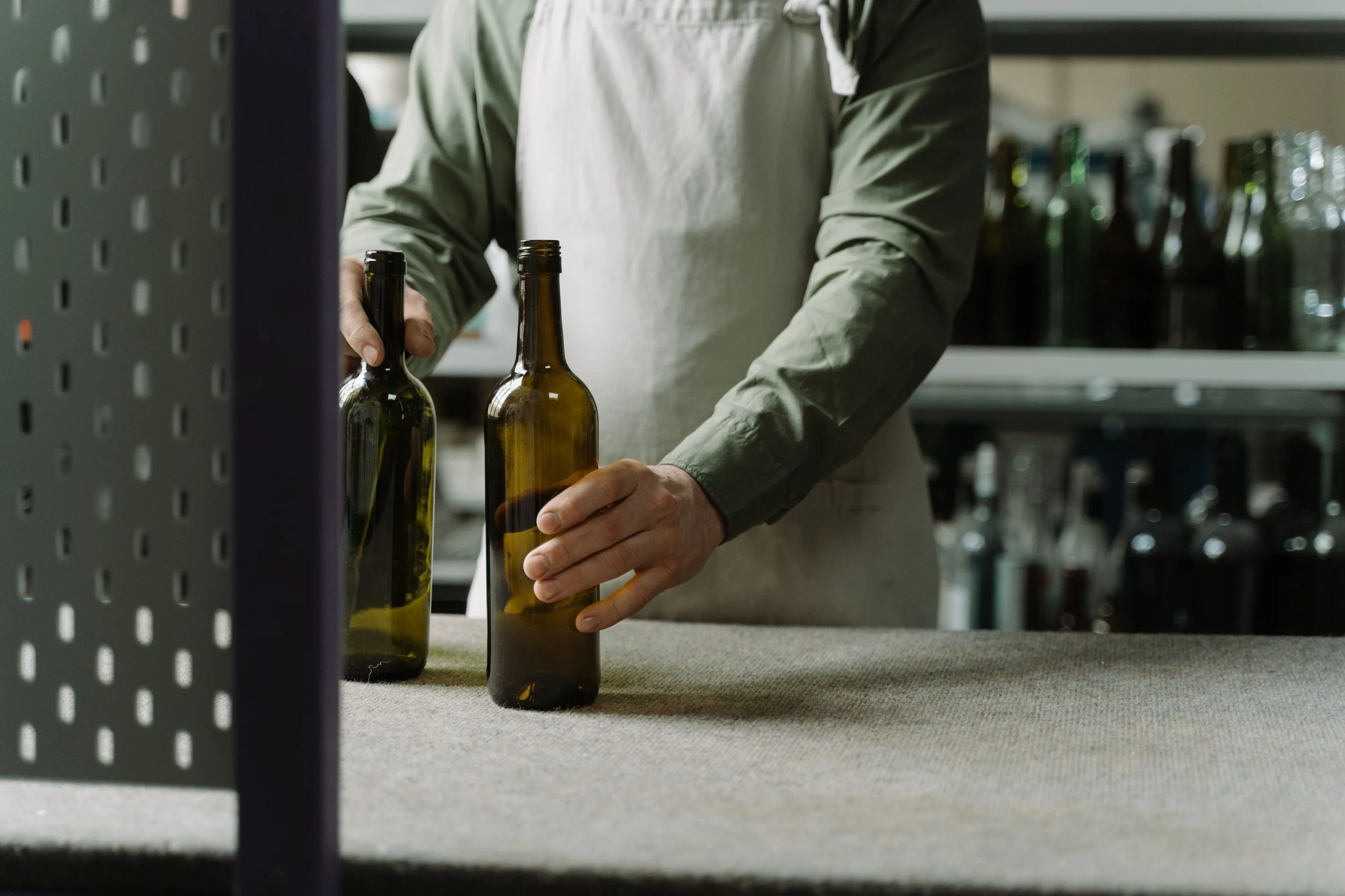
1. Collect
Capture waste at the source.
Used cooking oil is collected directly from kitchens and urban neighborhoods before it enters conventional waste and sewage systems.
3. Transform
Turn waste into something valuable.
Recovered oil is transformed into high-value industrial feedstocks such as biolubricants and biodegradable materials.
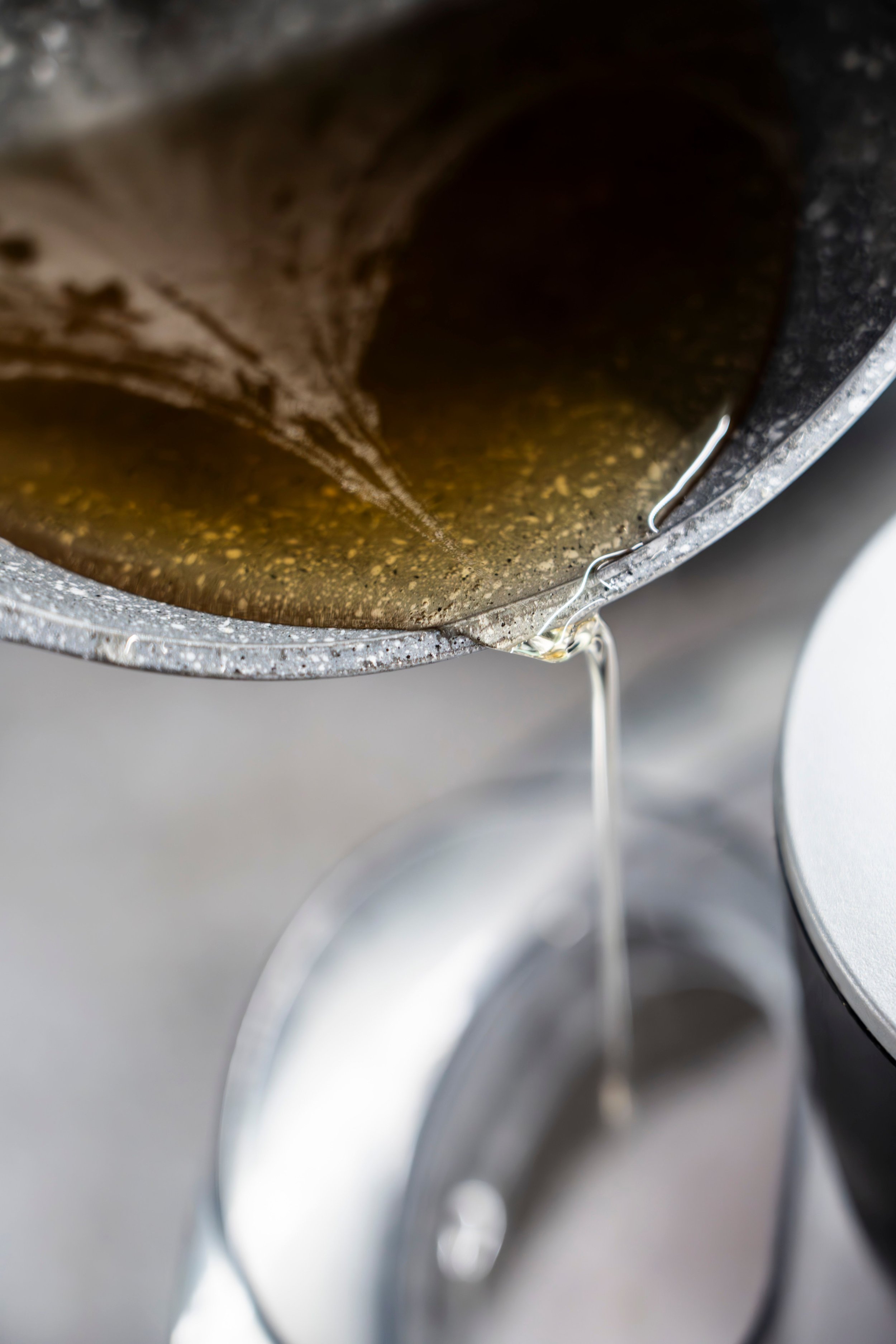
5. Validate
Prove the model works.
Scientific validation, regulatory alignment, and transparent reporting build trust and demonstrate real-world feasibility.
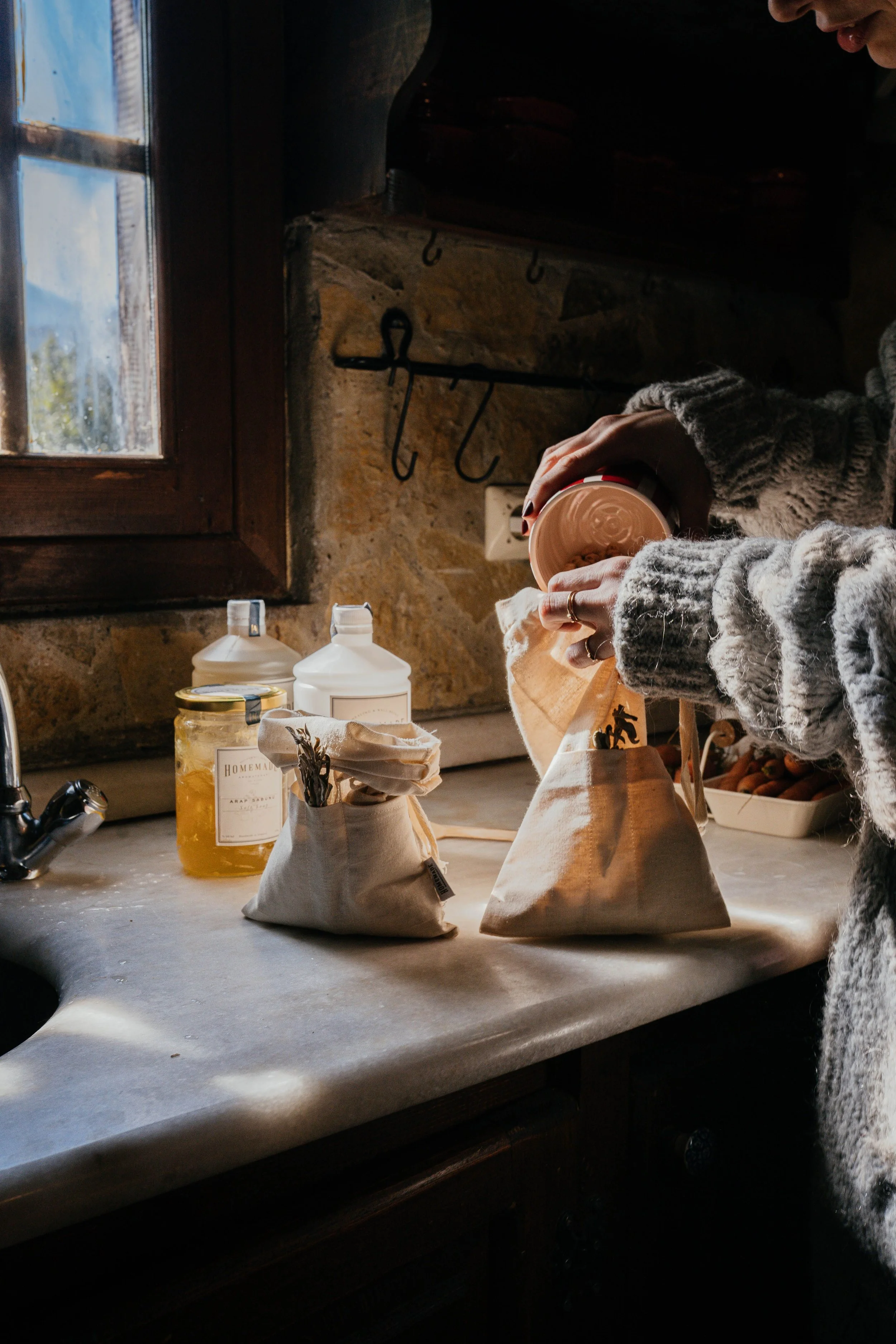
2. Recover
Keep valuable resources out of the waste stream.
A decentralized collection system makes recovery practical at the neighborhood level.
4. Measure
Make impact visible.
We track what is recovered, what pollution is prevented, and the environmental impact generated.
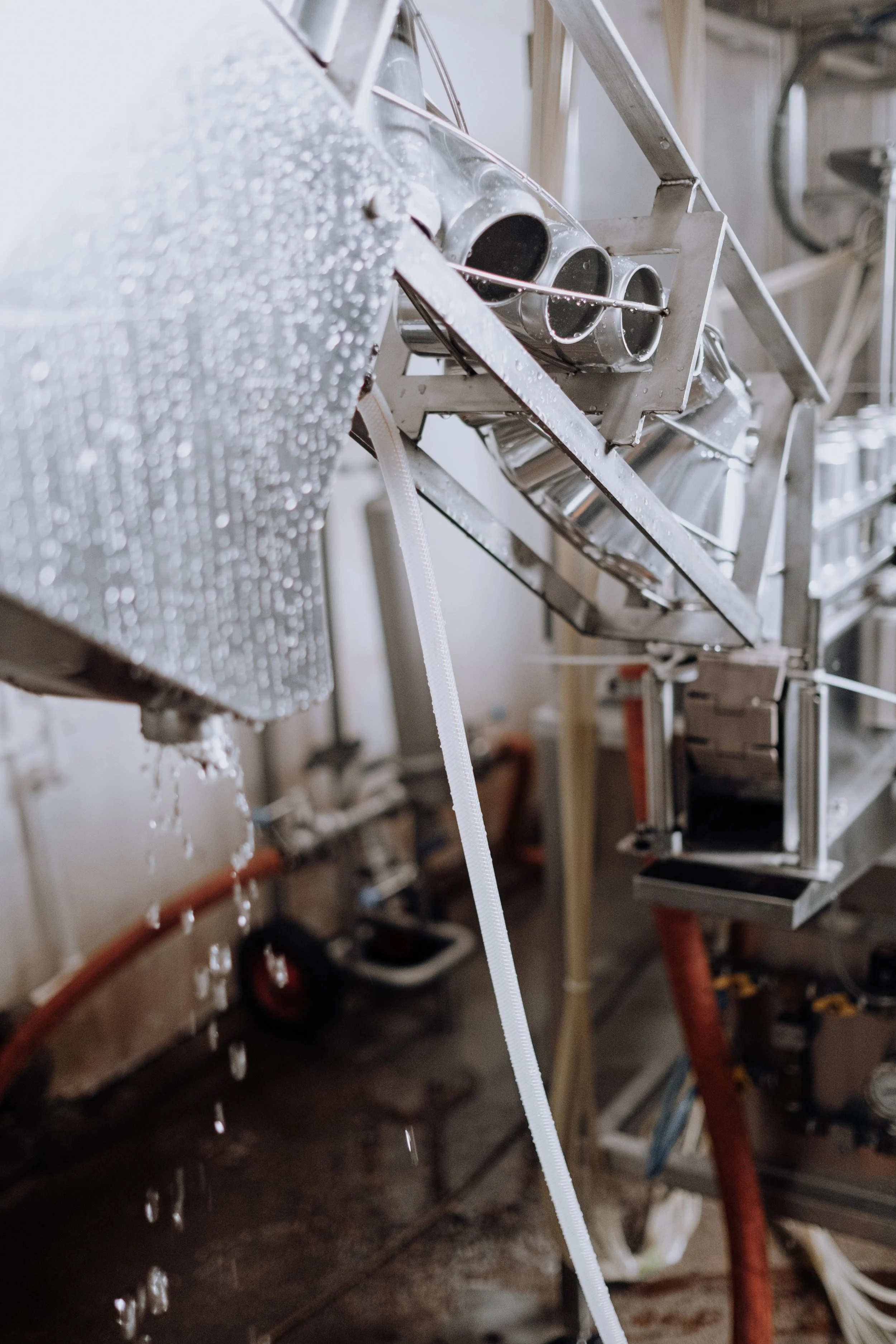
6. Scale.
Start local. Build for everywhere.
The first Neighborhood Proof-of-Concept Hub creates a replicable model for expansion into other urban communities.